Food, supplements, and straight answers
Healthy living, made clearer.
Shop our USANA store, or explore friendly, careful guides to everyday nutrition and supplement comparisons, label by label.
No cure-alls here. There is no single fix, but there are steady, practical steps most people can take.
Start with a question
Good places to start.
Every guide tells you what it covers, where the information comes from, and where the evidence runs out. If you are not sure where to begin, start with the meal.
Building balanced meals
How to build a balanced meal without rigid rules
A flexible way to notice what a meal already contains and decide whether one practical addition would be useful.
Reading food labels
How to read a Nutrition Facts label
A repeatable way to interpret the serving basis, percent Daily Value, ingredients, and allergen information on FDA-regulated packaged foods in the United States.
Supplement evidence and safety
Are supplements FDA approved? Evidence and safety
Separate what a label declares from marketing claims, supporting evidence, product identity, and personal safety.
Supplements, compared
A few supplements, looked at closely.
A small selection that changes as formulas do. Each product appears with its current Supplement Facts label and a note on how it overlaps with the others, with the evidence and the caveats sitting right beside it.
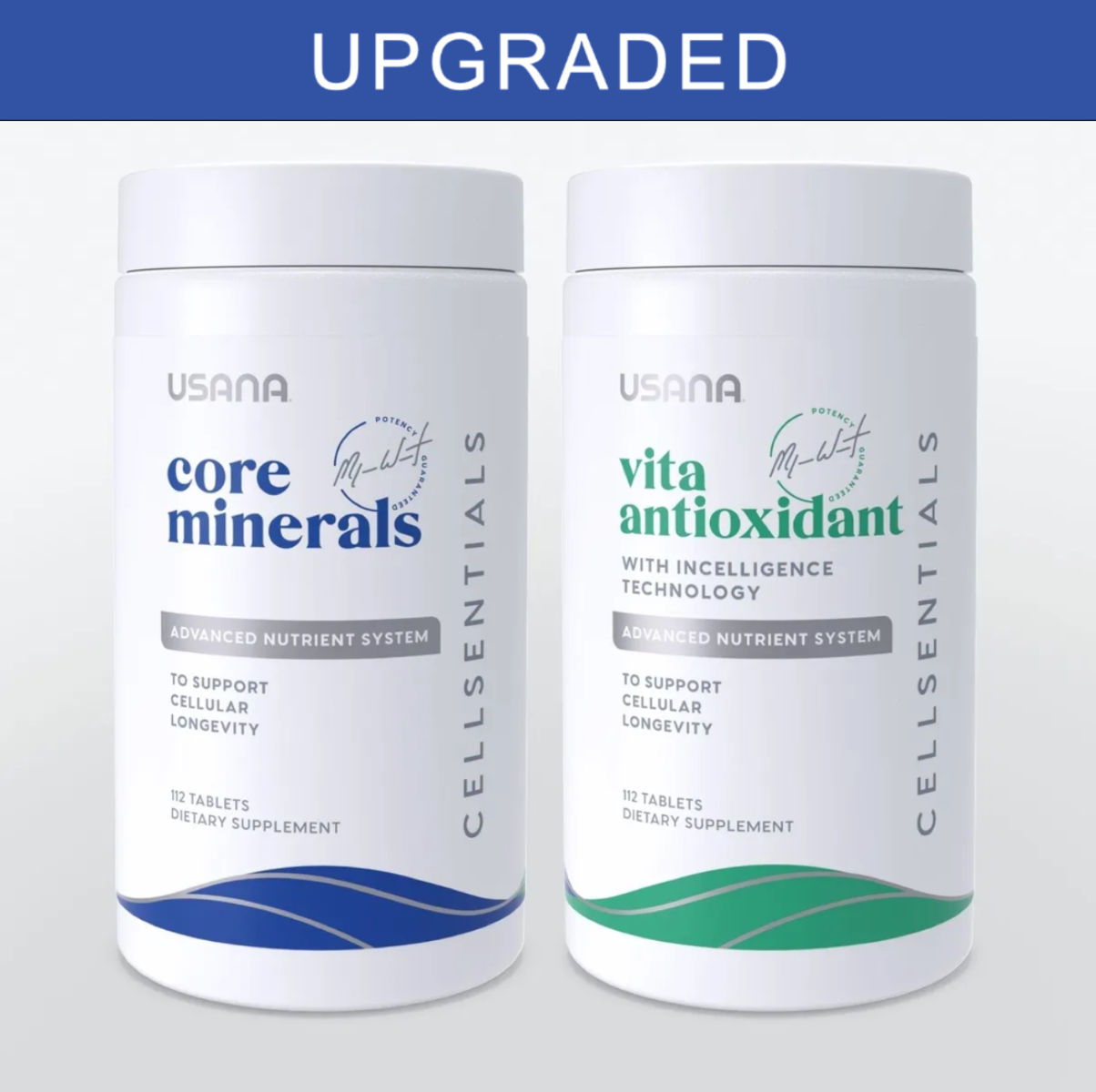 CellSentialsDaily multivitamin and minerals
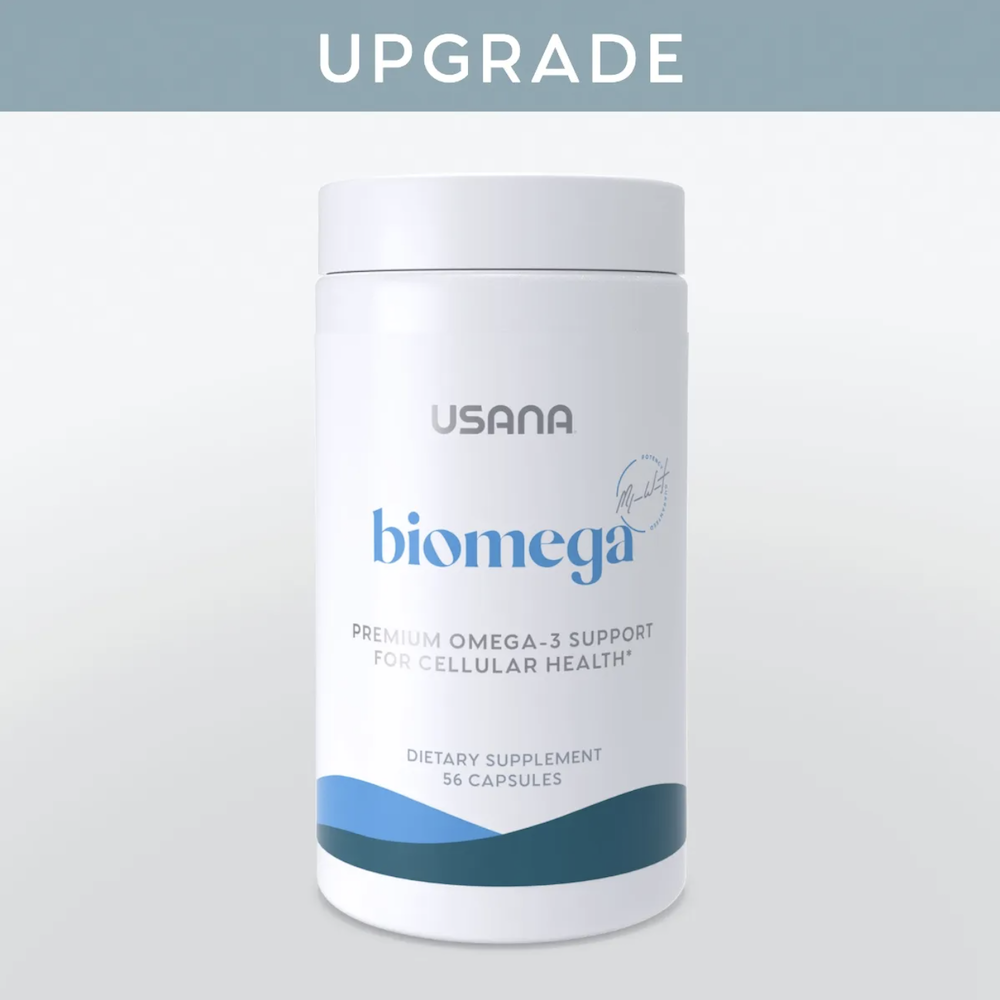 BiOmegaOmega-3 fish oil
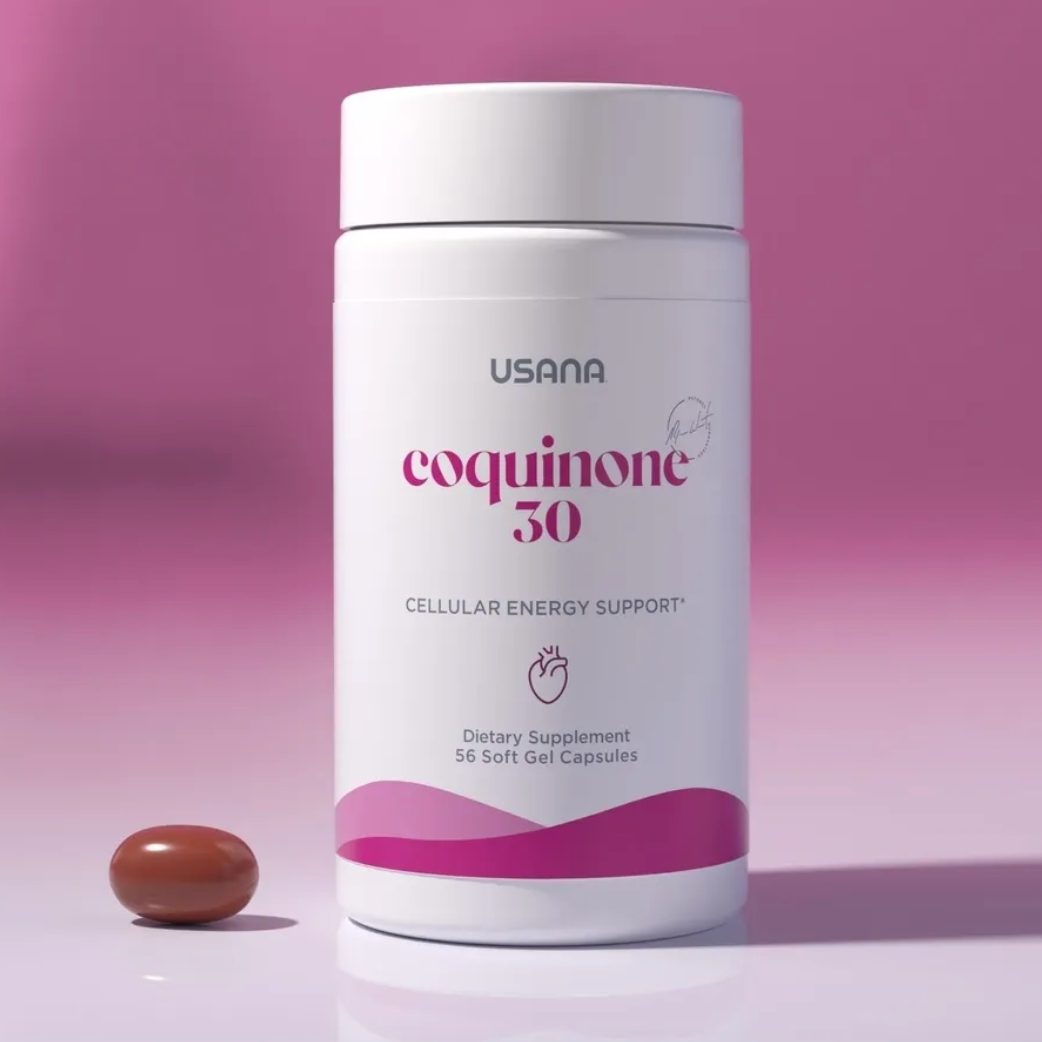 CoQuinone 30Coenzyme Q10
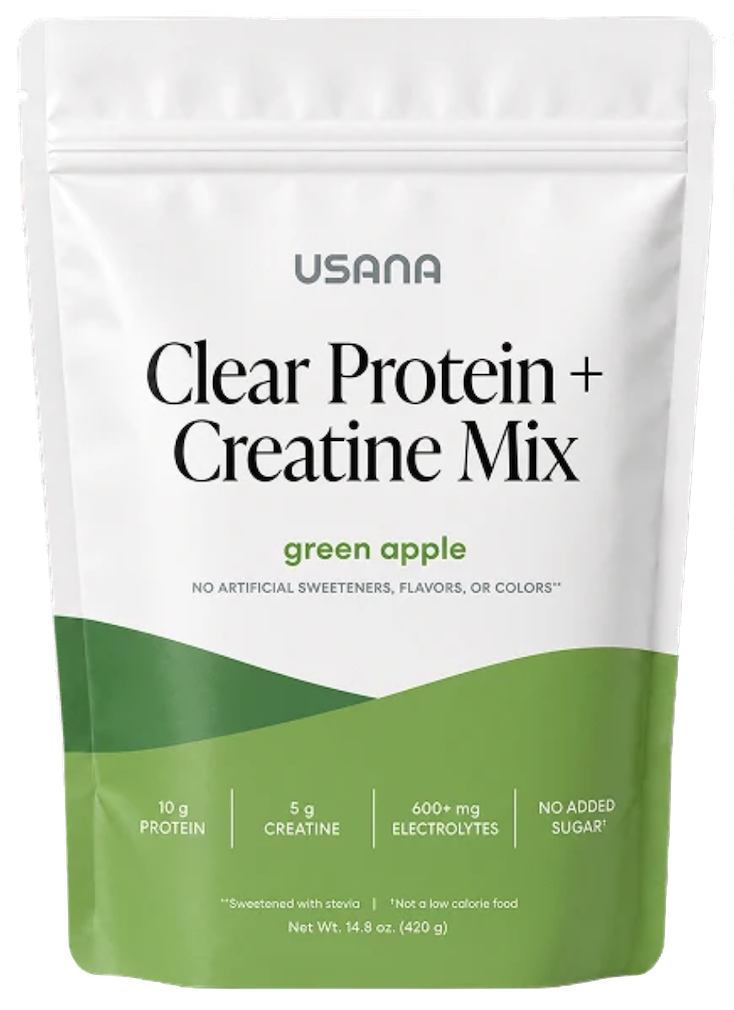 Clear Protein + CreatineProtein, creatine, electrolytes
Affiliate disclosure: these are USANA products, and Joy Health may earn a commission when you shop through this link. The price and our evidence standards do not change.
See current products and pricesHow we work
How every guide gets made.
We synthesize research, provide sources, and separate evidence from interpretation. Joy Health provides general education, not medical advice, diagnosis, or treatment.
Scope the question
Work out what the guide can honestly answer before writing a word.
Read the sources
Follow every health claim back to research or an accountable institution.
Separate the roles
Keep what a source found separate from what we make of it.
Name the limits
Say plainly what the evidence cannot settle, and who has a stake in the answer.